Why is my basement flooding in Bellingham?
Learn the common causes of basement flooding in Bellingham and how to prevent and address these issues effectively.
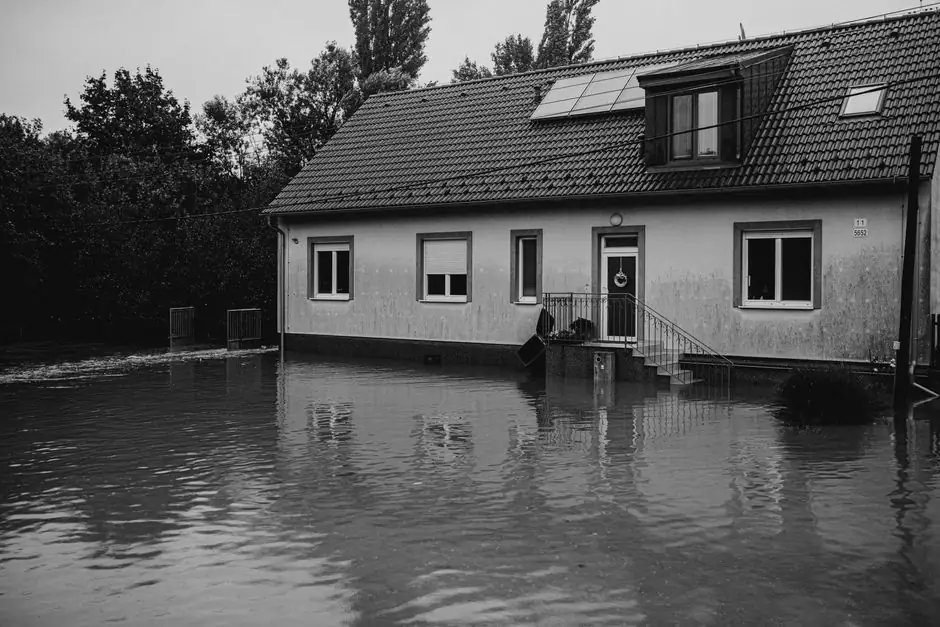
Basement flooding in Bellingham can happen for several reasons, including heavy rainfall, poor drainage, and plumbing issues. Understanding these causes is essential for homeowners looking to prevent or address flooding effectively.
Basement flooding is the accumulation of water in the lowest level of a home, often leading to significant damage and mold growth if not addressed quickly. This article explores the common causes of basement flooding, how weather impacts these situations, and what steps you can take to mitigate the risks.
Common Causes of Basement Flooding
Several factors can lead to basement flooding in Bellingham. The most common include:
- Heavy Rainfall: Bellingham experiences significant rainfall, especially during the fall and winter months, which can overwhelm drainage systems.
- Groundwater Seepage: High water tables can cause groundwater to seep into basements, especially in homes near hills or water bodies.
- Poor Drainage Systems: Inadequate or clogged drains can prevent water from flowing away from your home, leading to flooding.
- Foundation Cracks: Cracks in your basement walls or foundation can allow water to enter during heavy rain.
- Plumbing Issues: Leaky pipes or malfunctioning sump pumps can contribute to water accumulation in your basement.
How Weather Affects Basement Flooding
The weather in Bellingham plays a significant role in basement flooding. During the rainy season, which typically spans from October to March, homeowners are more likely to experience flooding due to:
- Increased Rainfall: Bellingham averages about 36 inches of rain annually, with the heaviest precipitation occurring in winter.
- Melting Snow: Spring thaws can lead to rapid snowmelt, increasing the likelihood of groundwater infiltration.
- Storms: Severe storms can produce heavy downpours that overwhelm drainage systems and cause flash flooding.
Signs of a Flooding Basement
Identifying the signs of a flooding basement early can help you take action before significant damage occurs. Look for:
- Water Stains: Dark stains on walls or floors can indicate previous flooding.
- Mold Growth: The presence of mold or mildew is a clear sign of moisture issues.
- Musty Odors: A persistent musty smell often indicates stagnant water or mold.
- Peeling Paint: Paint that is bubbling or peeling can be a sign of moisture behind the walls.
What to Do When Your Basement Floods
If your basement floods, acting quickly is crucial to minimize damage. Here are the steps you should take:
- Turn Off Utilities: If safe, turn off electricity and gas to prevent hazards.
- Remove Water: Use a sump pump or wet/dry vacuum to remove standing water. For extensive flooding, consider calling for emergency water extraction Bellingham.
- Dry the Area: Open windows and use fans to dry the basement thoroughly.
- Inspect for Damage: Check for structural damage and mold growth. You may need to contact a professional for water damage assessment Bellingham.
- Consult Professionals: For extensive damage, professional water damage restoration Bellingham services can help restore your basement.
Common Mistakes to Avoid
When dealing with basement flooding, homeowners often make several common mistakes:
- Ignoring Small Leaks: Small leaks can lead to significant problems over time if not addressed.
- Neglecting Regular Maintenance: Failing to maintain gutters and downspouts can lead to water accumulation.
- Not Installing a Sump Pump: In flood-prone areas, a sump pump is essential for preventing water accumulation.
- Overlooking Grading: Ensure the ground around your home slopes away to direct water away from the foundation.
When to Call a Professional
Knowing when to call a professional is essential for effective water damage restoration. If you notice significant flooding, persistent moisture, or mold growth, it's time to seek help. Professionals can provide services such as flood damage cleanup Bellingham and mold remediation Bellingham to ensure your home is safe and dry.
Frequently Asked Questions
1. What should I do if my basement floods? Act quickly by turning off utilities, removing water, and drying the area. Consult professionals for extensive damage.
2. How can I prevent basement flooding? Regular maintenance, proper grading, and installing a sump pump can help prevent flooding.
3. How much does water damage restoration cost? In Bellingham, typical costs for water damage restoration range from $1,500 to $5,000, depending on the extent of the damage.
4. How long does it take to dry a flooded basement? Drying a flooded basement can take anywhere from 3 to 7 days, depending on the severity of the flooding and the drying methods used.
5. Can I clean up mold myself? Small mold patches can be cleaned with soap and water, but larger infestations should be handled by professionals to ensure safety.